Radon is a colorless, odorless gas that seeps into homes from the ground. You cannot see it, smell it, or taste it, but long-term exposure is the second leading cause of lung cancer in the United States, according to the EPA. The only way to know if a home has elevated radon levels is to test for it. If you are buying or selling a home, knowing exactly when to schedule radon testing home inspection during the process can protect your health, strengthen your negotiating position, and prevent costly surprises after closing. Here is when and how to get it right.
Should You Include Radon Testing With A Home Inspection?
Yes, radon testing is strongly recommended whenever a home is changing hands, but it is not automatically included in most standard home inspections. You typically need to request it as an add-on when scheduling.
Why It Is Not Always Included
Most home inspectors offer radon testing as a separate service with an additional fee. Some inspectors are licensed to perform the test themselves, while others coordinate with a third-party radon testing company. Either way, the buyer usually needs to ask for it specifically.
The EPA, the American Lung Association, and most state health agencies all recommend radon testing during any real estate transaction. Even in areas not traditionally considered high risk, radon levels can vary dramatically from one house to the next on the same street.
Best Time to Do Radon Testing in the Home Buying Process
The ideal time to test for radon is during the buyer’s home inspection contingency period. This is the window between signing the purchase agreement and finalizing the sale, when the buyer has the right to inspect the property and negotiate based on the findings.
Why Timing It With the Inspection Matters
Testing during the contingency period ensures that results arrive before the deadline to request repairs, mitigation, or price adjustments. If radon levels come back high, the buyer can ask the seller to install a mitigation system, reduce the sale price, or provide a credit at closing. If the test happens too late, the buyer loses that leverage.
If the seller already has radon test results on file, check the date. Results older than two years should generally be confirmed with a new test during the inspection, since radon levels can change over time due to shifts in soil conditions, foundation settling, and changes in ventilation.
Timing Within the Inspection Window: How Long the Test Takes
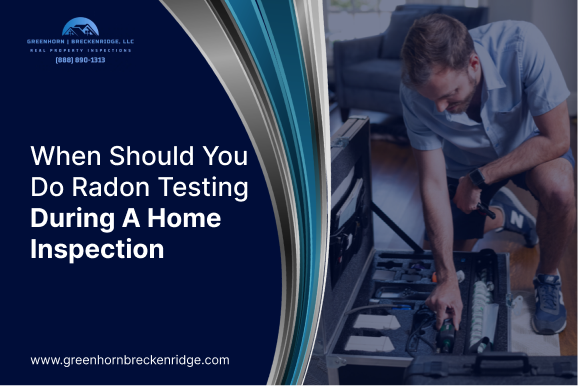
Most real estate radon tests are short-term tests that run for 48 to 96 hours. The testing device is typically placed in the lowest livable area of the home during or before the general home inspection and left in place while other inspection items are being checked.
How the Process Fits Into Your Timeline
Here is how it typically works:
- Day 1: The radon test device is placed in the home, usually at the same time as the home inspection
- Day 2 to 4: the device remains undisturbed with closed house conditions maintained
- Day 4 or 5: the device is retrieved, and results are processed, often within 24 hours
Results should arrive before the end of the inspection contingency deadline so the buyer has time to review the findings and decide on next steps. If your contingency window is tight, coordinate with your inspector or radon professional early to make sure the timeline works.
Seasonal and Home Condition Considerations
Radon levels fluctuate throughout the year, and the conditions inside the home during testing affect the accuracy of the results.
Why Colder Months Often Produce Higher Readings
During fall and winter, homes are typically sealed up with windows and doors closed. This creates what the EPA calls “closed house conditions,” which give the most realistic worst-case snapshot of radon levels. Testing during these months tends to produce the highest readings because radon has less opportunity to escape through open windows and ventilation.
If testing happens during warmer months when the home is open and well-ventilated, the results may underestimate actual radon exposure during the heating season. In that case, buyers may want to plan a follow-up long-term test after moving in to get a more complete picture.
Closed House Conditions During the Test
Regardless of the season, closed house conditions should be maintained for at least 12 hours before the test begins and throughout the entire testing period. This means keeping windows and doors closed (except for normal entry and exit) and avoiding the use of fans or ventilation systems that pull in outside air.
When Sellers Should Do Radon Testing Around an Inspection
Sellers can benefit from testing for radon before listing the home or before the buyer’s inspection takes place.
Why Pre-Listing Testing Is a Smart Move
A seller who tests early and finds low radon levels has documented proof to share with potential buyers, which builds confidence and speeds up negotiations. If levels come back high, the seller has time to install a mitigation system before listing, which removes radon as a sticking point entirely.
Up-to-date, documented results from a licensed radon professional carry more weight with buyers and their agents than verbal assurances. Having those results ready upfront can make the transaction smoother for everyone.
Greenhorn Breckenridge runs pre-listing radon tests with fast turnaround, so sellers have documented results before the first showing. Having that data ready removes a common negotiation hurdle and gives buyers one less reason to hesitate during pre-purchase property inspections.
What Radon Levels Mean and Next Steps After Testing
Understanding the results is straightforward once you know the EPA thresholds.
EPA Guidelines for Action
The EPA recommends the following responses based on test results:
- 4 pCi/L or higher: Mitigation is strongly recommended. This is the EPA’s action level, and most real estate transactions treat it as the threshold for requiring remediation
- 2 to 4 pCi/L: Retesting or precautionary mitigation may be warranted. The WHO recommends action at levels above 2.7 pCi/L, so this range is worth monitoring
- Below 2 pCi/L: Generally considered acceptable, though no level of radon exposure is completely risk-free
Buyer and Seller Options When Levels Are High
If the test comes back at or above 4 pCi/L, both parties have several options to keep the transaction moving:
- Install a mitigation system (typically a sub-slab depressurization system), which costs between $800 and $2,500, depending on the home
- Request the seller to cover mitigation costs as part of the sale agreement
- Negotiate a price reduction that accounts for the cost of future mitigation
- Walk away from the purchase if the contingency period allows and the seller is unwilling to address the issue
Mitigation systems are effective and well-established. A properly installed system can reduce radon levels by up to 99%, according to the EPA.
Who Should Perform Radon Testing During A Home Inspection?
Not all home inspectors are licensed to perform radon testing. In many states, radon testing requires a separate certification or license.
Choosing the Right Professional
When selecting someone to handle radon testing during your inspection, verify the following:
- State radon license or certification confirming they meet local regulatory requirements
- Use of approved testing devices, such as continuous radon monitors or charcoal canisters that comply with EPA protocols
- Experience with real estate transactions, so they understand contingency timelines and reporting requirements
- Clear chain of custody for the testing device to ensure results are credible and defensible
Some home inspection companies offer radon testing as part of a comprehensive package, while others refer clients to a dedicated radon testing company. Either approach works as long as the person handling the test holds the proper credentials.
Frequently Asked Questions
Here are answers to the most common questions buyers ask about radon testing timing.
When should I do radon testing during a home inspection?
You should do radon testing during your home inspection contingency period, ideally starting the 48 to 72-hour test at the same time or before the general home inspection, so results arrive before your deadline to negotiate or walk away.
Is radon testing done before or after the home inspection?
Radon testing can be done either before or during the home inspection, but it should always be completed early enough in the inspection window that you receive results in time to request mitigation, repairs, or price changes based on the findings.
What is the best time of year to test for radon when buying a home?
The best time of year to test for radon when buying a home is during colder months or any period when closed house conditions can be maintained, because closed windows and doors give a more realistic worst-case reading you can use in negotiations.
Takeaway
Radon testing during a home inspection is a simple step that carries serious weight. Getting the timing right means scheduling the test early in the contingency period, maintaining closed-house conditions, and making sure results arrive before your negotiation deadline. If you are buying or selling, having accurate radon data on hand protects your health and your investment.
Our Team handles radon testing alongside comprehensive home inspections for buyers and sellers across the region. Contact the Greenhorn Breckenridge LLC. We understand local radon risk patterns, follow EPA testing protocols to the letter, and deliver results fast enough to keep real estate timelines on track. Clients rely on the service because the reports are clear, the process is hassle-free, and the guidance on next steps is practical rather than generic.