Most people assume a brand-new home does not need an inspection. The builder checked everything, the city signed off on the permits, and the house has never been lived in. What could be wrong with it? More than you would expect. A major chunk of first-year structural or mechanical issues goes unnoticed entirely without a third-party inspection. New does not mean flawless, and the right inspection scheduled at the right time catches problems while they are still cheap and easy to fix.
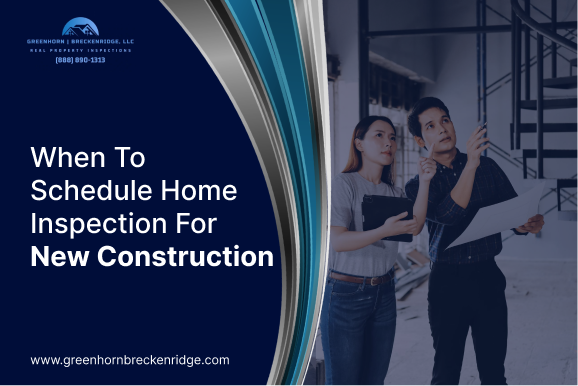
Here is when to schedule each inspection during the new construction process and what each one is designed to catch.
Before Concrete Is Poured: The Foundation Inspection
This is the earliest and most commonly skipped inspection in new construction. Once the concrete is poured, everything underneath it is sealed permanently. Any issues with soil preparation, grading, drainage, or rebar placement become invisible and extremely expensive to fix after the fact.
What Gets Checked at This Stage
The inspector evaluates the groundwork that the entire home will sit on. Here is what they look for before concrete goes down.
- Soil compaction and grading to prevent future settling
- Proper placement and spacing of rebar and reinforcement
- Drainage paths directing water away from the foundation
- Correct dimensions matching the approved building plans
- Moisture barriers installed where required
Scheduling this inspection is a matter of coordination with the builder. It needs to happen after the formwork and reinforcement are in place, but before the pour date. A 24 to 48-hour window is usually all that is needed.
After Rough-Ins Are Complete: The Pre-Drywall Inspection
This is the single most valuable inspection in the entire new construction process. Once drywall goes up, everything behind it becomes hidden for the life of the home. Framing, plumbing, electrical wiring, HVAC ductwork, insulation, and fire blocking are all visible during this window and invisible afterward.
What This Inspection Covers
The pre-drywall inspection checks every system that will be sealed behind walls and ceilings.
- Framing for warped, cracked, or incorrectly spaced studs
- Electrical wiring routed safely and properly secured
- Plumbing pipes installed at the correct angles for drainage
- HVAC ductwork connected, sealed, and properly supported
- Insulation installed to specification without gaps or compression
- Fire blocking in place at all required locations
- Window and door flashing installed correctly to prevent water intrusion
When to Book It
The timing window is narrow. This inspection needs to happen after all rough-in work is complete, but before any insulation or drywall is installed. Communicate with your builder early so they can build the window into the construction schedule rather than treating it as an interruption.
Before Your Closing Date: The Final Inspection
The final inspection happens when the home is essentially complete, and all systems are operational. This is your last chance to identify issues before the home officially becomes your responsibility and the builder’s obligation shifts from construction to warranty.
What Gets Evaluated
At this stage, the inspector tests every system the way you would use it day to day.
- HVAC running and producing correct temperatures in every room
- All plumbing fixtures tested for flow, pressure, and drainage
- Every electrical outlet, switch, and fixture confirmed operational
- Exterior grading directing water away from the foundation
- Roof, gutters, and downspouts installed correctly
- Interior finishes, including walls, floors, ceilings, doors, and trim
- Appliances installed and functioning as specified
- Smoke detectors, carbon monoxide detectors, and safety features in place
When to Book It
One to two weeks before your closing date gives enough time to share the report with the builder, negotiate any necessary repairs, and confirm corrections were made before you sign. Scheduling it the day before closing leaves no room to address anything the inspector finds.
At the 11-Month Mark: The Warranty Inspection
Most builders offer a one-year warranty on workmanship and materials that covers defects at no cost to you. Once that year expires, any issues that were not reported during the coverage window become your financial responsibility entirely.
Why Month 11 Is the Right Time
Scheduling this inspection at the 10 to 11 month mark gives you enough time to identify problems, file warranty claims, and have the builder complete repairs before the coverage deadline passes.
What Surfaces After a Year of Living in the Home
Certain issues only become visible after months of occupancy and seasonal weather changes.
- Foundation settling that has caused cracks in walls or floors
- Doors and windows that no longer close properly due to shifting
- HVAC performance issues that only appear during peak heating or cooling
- Plumbing leaks that develop slowly over months of use
- Roof flashing or gutter issues exposed by a full year of weather
- Grading changes where soil has settled, and water now pools near the foundation
This inspection pays for itself the moment it identifies even one warranty-eligible issue that would otherwise come out of your pocket. Our inspectors at Greenhorn Breckenridge know what to look for at the 11-month mark specifically, because the issues that surface after a year of occupancy are different from the ones visible during construction.
What You Risk by Skipping These Inspections
Skipping new construction inspections does not save money. It delays the discovery of problems that become more expensive the longer they go unaddressed.
Here is what each missed inspection puts at stake:
- Foundation: Settling, cracking, and drainage problems that undermine the entire structure
- Pre-drywall: Framing, wiring, and plumbing defects hidden behind walls for years
- Final: Closing on a home without confirming that all systems work as specified
- 11-month warranty: Forfeiting coverage on defects that the builder would have repaired for free
The cost of all four inspections combined is typically under $2,000. A single hidden defect discovered after closing or after the warranty expires can cost five to ten times that amount to repair.
Do I really need an inspection on a brand-n ew home?
Yes, new construction involves hundreds of individual tasks performed by dozens of subcontractors over several months. Mistakes happen, materials fail, and code compliance varies. A third-party inspection catches what the builder’s own quality checks miss.
Can I use any home inspector for new construction?
You can, but not every inspector has experience with construction-phase inspections. Pre-drywall and foundation inspections require specific knowledge of framing standards, mechanical rough-ins, and building code requirements that differ from a standard resale, even of a mobile home inspection.
Will the builder allow independent inspections?
Most builders accommodate third-party inspections when asked in advance. Including inspection windows in your purchase contract gives you a contractual right to schedule them at each phase. Communicate early so the builder can plan accordingly.
Final Thoughts
Knowing when to schedule a home inspection for new construction is what separates buyers who catch problems early from those who discover them after closing, when the cost and inconvenience multiply. Foundation, pre-drywall, final, and 11-month warranty inspections each target a different stage and a different set of potential issues. Together, they give you a complete picture of how well the home was built.
Greenhorn Breckenridge serves Kern County with InterNACHI® certified property inspectors, infrared thermal imaging, and same-day photo-rich reports. We are veteran-owned, family-operated, and locally based in the Kern River Valley. Whether you are building your first home or your fifth, our team gives you the clarity you need at every phase.
Get in touch to schedule your inspection and protect the investment before it becomes a problem.