Loading...

Our Inspection Process

Every property inspection is more than just checking boxes. Our goal is to uncover hidden concerns, highlight safety features, and explain our findings in a way that’s easy to understand. Here’s a step-by-step look at how we approach inspections, complete with real examples from the field.
Roof Evaluation
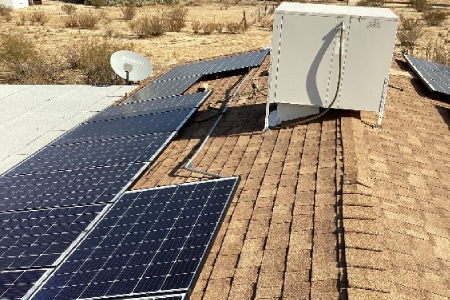
Whenever conditions are safe, our inspectors walk the roof instead of relying only on ground-level views. This allows us to closely examine shingles, flashing, gutters, and drainage systems. By being up there in person, we can identify early signs of wear, improper installation, or storm damage that could lead to future leaks.
Thermal Imaging
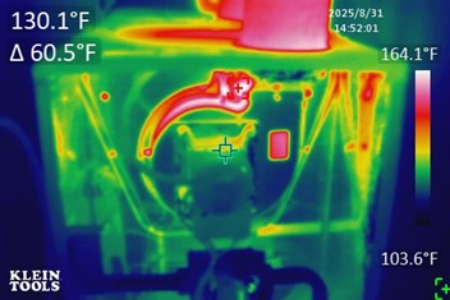
We use thermal imaging on every inspection. This advanced tool detects temperature variations inside walls, ceilings, and floors. For example, it can reveal insulation gaps that waste energy, electrical hot spots that could cause a fire, or moisture hidden beneath surfaces. These images provide clear visual evidence that helps clients not only hear about a problem but also see it for themselves.
Moisture Meter Testing
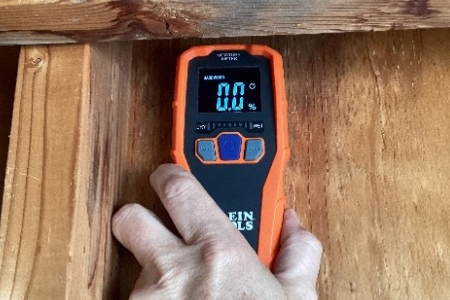
Water intrusion is one of the most common issues in homes, and it can be costly if left unchecked. To confirm whether staining or discoloration is due to active moisture, we use professional-grade moisture meters. This testing provides accurate results and allows homeowners to take corrective action right away, preventing further damage and reducing the risk of mold growth.
Foundation & Structural Moisture
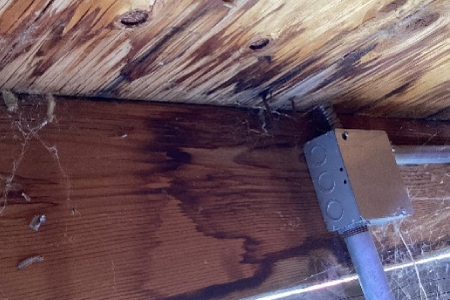
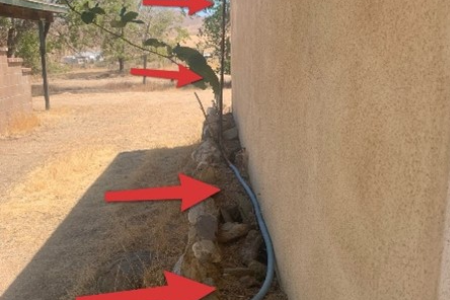
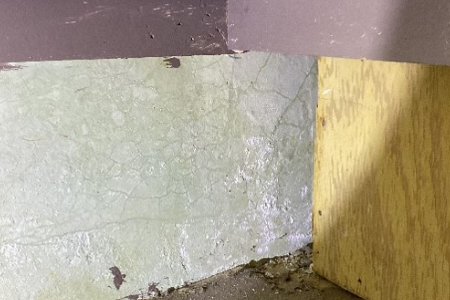
Raised foundations often show staining that can be mistaken for ongoing leaks. During one inspection, we observed staining under a foundation and used a moisture meter to test it. The results showed it was from a past event and not an active problem. Sharing this kind of detail helps homeowners distinguish between old issues that no longer pose a threat and conditions that require immediate repair.
Gas & Emergency Features

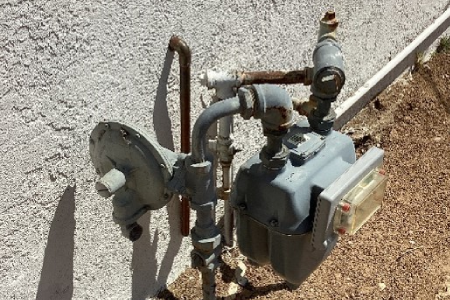
In an emergency, knowing where shut-off valves are located can make all the difference. Our reports highlight key features such as the main gas shut-off valve, water shut-off locations, and other safety points. We include clear photos and directions so homeowners can act quickly if needed, protecting both their family and their property.
Electrical System Review
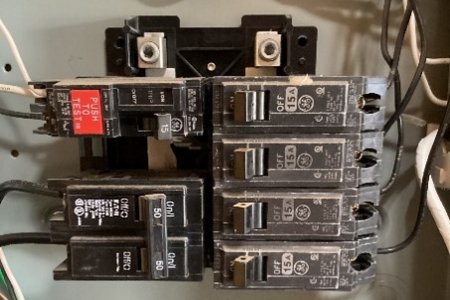
Electrical systems are carefully inspected for safety and workmanship. From breaker panels and outlets to visible wiring, we look for signs of improper installation, outdated materials, or dangerous conditions. This step is critical for reducing risks of electrical fires and accidental shock, giving homeowners peace of mind that their system is operating safely.
Identifying Electrical Hazards
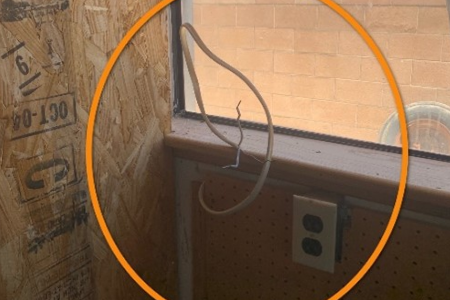
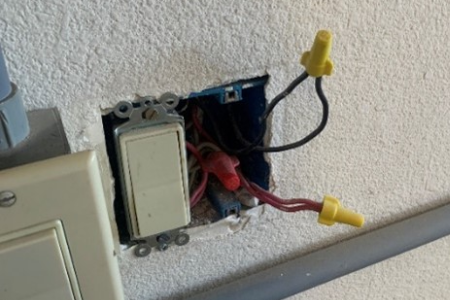
Sometimes we find conditions that aren’t immediately dangerous but still pose a future risk. For example, a section of uncapped Romex cable was once found in a garage. Testing showed the wires were inactive because the circuit had been removed, but we still recommended they be taken out. Even inactive wires can create confusion or hazards later, and documenting them ensures the issue isn’t overlooked.
Outdoor Wiring Concerns
During another inspection, we found exposed wiring outside of a garage. While it was active, it had no protection from the weather, which created a risk of accidental shock and damage from the elements. We recommended that a licensed electrician repair or replace the section to keep the system safe and reliable. Real-world findings like this show why even minor electrical details deserve attention.
Wiring Safety Awareness
Exposed or degraded wiring of any kind presents a serious safety concern. Even if the wiring is not currently live, it can still be a future hazard. We make sure clients are fully aware of these conditions so they can have them professionally corrected. Identifying and reporting these issues prevents shocks, fires, or worse.
Safety Device Checks
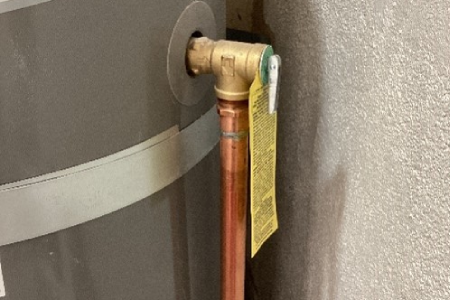
Small safety devices can make a big difference. One example is the temperature-pressure relief (TPR) valve on a water heater. This valve is designed to release pressure and prevent the tank from bursting if conditions inside become unsafe. We always test these devices to ensure they are functional, giving homeowners confidence that such critical safeguards are in place.
HVAC & Ducting
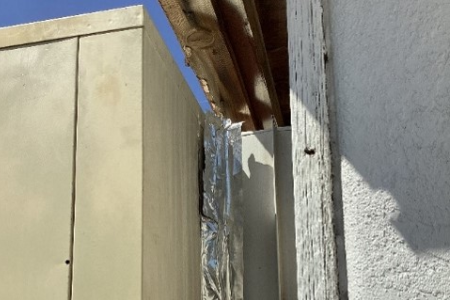
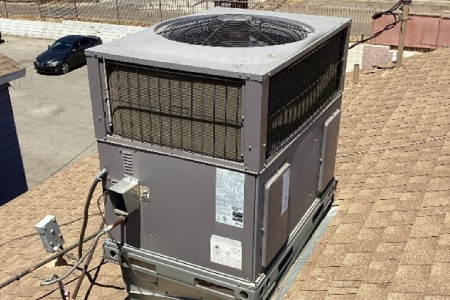
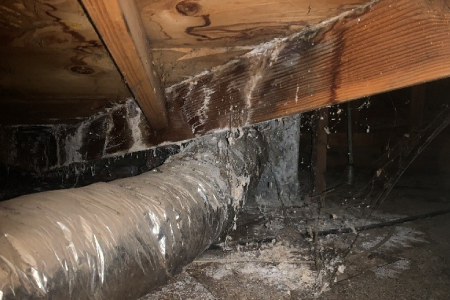
Heating and cooling systems play a big role in comfort and efficiency. We check visible ductwork to confirm it is properly sealed and connected. In one home, we found ducting with loose seals that were wasting energy and reducing airflow. Addressing issues like this can make a big difference in monthly utility costs and the overall performance of the system.
Mold Concerns
Moisture often leads to mold, and we take every sign seriously. For example, during one inspection, possible mold growth was observed underneath a vanity sink. We documented the finding and recommended testing to confirm whether it was mold, identify the type, and determine the best remediation steps. Acting on these findings early helps protect both property and health.
Mold Health Risks
When suspected mold colonies are identified, we don’t stop at observation. We provide detailed testing and reports that give homeowners a clear picture of the situation. Mold can have serious health impacts, especially for children and those with respiratory conditions. Our findings give homeowners the knowledge they need to create an informed plan for remediation and maintain safe indoor air quality.
Pool System Inspections
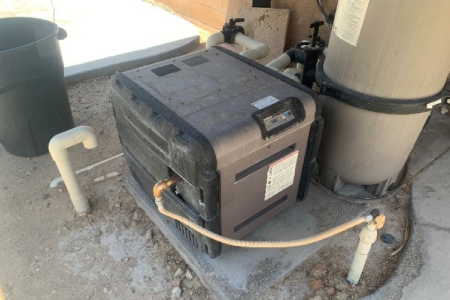
Pools and spas are wonderful features, but they require careful inspection. We examine pumps, filters, and electrical components to ensure they are working safely and effectively. A properly inspected pool system not only extends the life of the equipment but also gives families confidence that they can enjoy their pool worry-free all summer.
Pool Safety Features
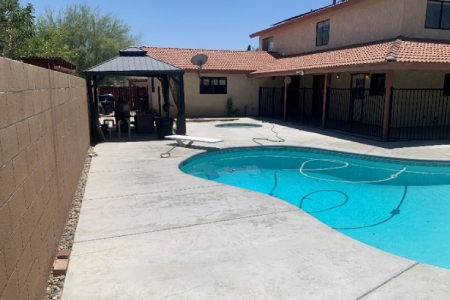
We also inspect the surrounding pool area for safety. In one inspection, we confirmed that adequate drainage was in place to prevent water from collecting on the deck. This simple detail greatly reduces the risk of slip-and-fall accidents, showing how safety extends beyond just the equipment.
Commercial & Multi-Unit Properties
In addition to residential inspections, we also serve commercial and multi-tenant properties. We check heating, cooling, electrical, and plumbing systems to ensure they meet safety and performance standards. These inspections give business owners and property managers a clear understanding of building conditions so they can provide safe, comfortable environments for tenants and staff.

Ready to Protect Your Investment?

Schedule a property inspection today and gain the clarity you need to move forward with confidence in your decisions.