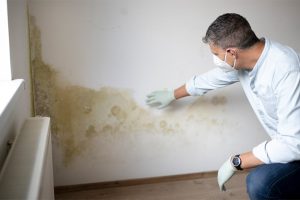
If you’re worried that you might have mold, you’re not alone. Mold is common, and it often hides in places we don’t look. So, do you really need a mold inspection?
Here’s the short answer: get a mold inspection if you notice:
- A musty smell that won’t go away.
- Spots or stains that keep returning.
- Recent leaks, floods, or high humidity.
- Allergy-like symptoms that improve when you leave home.
- Warping walls, bubbling paint, or soft floors.
In this guide, we’ll walk you through the seven clear signs to watch for, what they mean, and what to do next. We’ll also share quick tips and safety notes.
1) You Smell a Musty Odor That Won’t Go Away
A “damp basement” smell is often the first clue. It could be wet cardboard or old books.
If the odor keeps returning after cleaning and airing out, you may be smelling microbial growth behind walls or under floors.
Info: Odor is a strong clue, even if you don’t see spots. Mold can grow behind drywall, inside HVAC systems, or under carpets.
2) You See Spots or Stains That Keep Coming Back
Dark dots, fuzzy patches, or discolored rings on walls, ceilings, or grout are red flags. If the stain returns after cleaning, moisture is feeding it.
Check places near sinks, tubs, windows, and along baseboards. Persistent “ghost stains” often mean moisture inside the wall.
Danger: Don’t spray bleach on porous materials like drywall, fabric, or unsealed wood. It can drive moisture deeper and worsen the problem.
3) You’ve Had Leaks, A Flood, or Humidity Problems in the Last 48 Hours
Mold can start growing in 24–48 hours when materials stay wet. Even a small leak under a sink can be enough.
If you had a roof leak, pipe break, overflowing tub, or a wet basement, schedule an inspection, especially if drying took more than a day or two.
Fact: Drywall, insulation, and carpet pad hold moisture longer than they look. A surface may feel dry, while the inside is still wet. The CDC notes that prompt drying is key to prevention.
4) You Feel Better When You Leave the House
Symptoms like a stuffy nose, itchy eyes, or coughing can be linked to indoor mold. If these improve after a day away, it’s a clue the trigger might be at home.
Keep a simple diary: note symptoms, rooms you spent time in, and weather. Patterns help pros find the source.
Talk to a healthcare professional if symptoms are strong or persistent. Share any mold findings.
5) Walls are Warping, Paint is Bubbling, or Floors Feel Soft
Wavy baseboards, peeling or bubbling paint, and soft or sagging floors point to hidden moisture. Moisture feeds mold and can damage the structure.
These signs often show up near bathrooms, behind refrigerators, under windows, or below rooflines.
Quick Tip: A low-cost humidity or moisture meter can give clues fast. Aim for indoor humidity between 30% and 50% per the EPA. If it’s often above 60%, act now.
6) You See Condensation or Feel “Sticky” Air
Water beading on windows, metal pipes, or cold walls means the air is too damp. Ongoing condensation can lead to mold on sills, frames, and drywall.
Run kitchen and bath fans, use a dehumidifier, and fix any ventilation issues.
Simple Humidity Checkpoints By Room
| Room/Area | Warning sign you might see | Target humidity (RH) |
| Basement | Damp smell, cool clammy air | 30–50% |
| Bathroom | Condensation on mirror/walls | 30–50% |
| Kitchen | Steam lingering after cooking | 30–50% |
| Bedrooms | Condensation on windows in morning | 30–50% |
| Laundry/Utility | Wet lint smell or rust spots | 30–50% |
7) Your Home Had Mold Before, or You’re Buying/Selling
Past mold or water damage raises the risk that it could return, especially if the source wasn’t fixed. If you’re in a real estate deal, a mold inspection can avoid surprises later.
Ask for documentation of previous fixes, including who did the work and what moisture issues were corrected.
Warning: If you’re in a real estate timeline, get the inspection early. If an issue shows up, you’ll have more time to plan repairs or negotiate.
What a Mold Inspection Usually Includes
A trained inspector looks for visible growth, moisture sources, and conditions that help mold grow. They may use moisture meters, thermal imaging, and air or surface sampling when appropriate.
You should receive a written report with findings, moisture sources, and next steps. If cleanup is needed, it should include the scope of work and how to prevent a repeat.
Info: Sampling isn’t always needed. The EPA notes that visible mold and moisture problems are enough reason to fix the issue.
Simple Actions You Can Take Today
- Run bath and kitchen fans for 20–30 minutes after use.
- Keep indoor humidity between 30–50%.
- Fix leaks and dry wet areas within 24–48 hours.
- Clean small, hard, non-porous areas with detergent and water.
- Don’t paint over mold or wet materials.
Danger: Never mix bleach with ammonia or other cleaners. The fumes can be very harmful. Read product labels and follow safety directions.
When To Call a Professional
Call a pro if you have large areas of suspected mold (more than ~10 square feet), ongoing odors, repeat stains, or any structural damage. Also, call if anyone in the home has health concerns.
Pros can find hidden moisture, set a safe cleanup plan, and confirm the problem is fixed.
Conclusion
If you spot one or more of these signs—musty odors, returning stains, recent leaks, ongoing symptoms, warped finishes, high humidity, or a history of issues—it’s wise to book an inspection. The sooner you solve the moisture problem, the easier the fix.
For a friendly, thorough assessment, consider Greenhorn Breckenridge for mold inspection. A clear report and a practical plan can save time, money, and stress.
FAQs
How much does a mold inspection cost?
Costs vary by home size and location. Expect a few hundred dollars for most homes, more if an extensive sampling is requested. Ask what the inspection includes before booking.
Can I test for mold myself?
Home kits exist, but results can be hard to interpret. What matters most is finding and fixing moisture. If you suspect a larger issue, call a professional.
Is “black mold” more dangerous than other molds?
Some molds can affect sensitive people more than others, but color alone doesn’t tell you the risk. Focus on removing moisture and cleaning up growth.